The Split-Second Difference
In cricket, the difference between a match-winning catch in the slips and a dropped ball that costs you the game is measured in milliseconds. Reaction time is not just a genetic gift; it is a neurological pathway that can be sharpened with deliberate practice. When a ball comes off the edge of a bat at high speeds, your eyes have to locate the object, calculate its trajectory, and send a signal to your hands—all before you even consciously realize what is happening.
Consistent practice with fast, unpredictable objects forces rapid neurological adaptation and visual tracking, physically speeding up the communication between your eyes and your hands.
The “Wall of Chaos” Reaction Drill
Standard fielding practice (where a coach hits the ball straight to you) is too predictable. To actually improve your reaction speed, you need chaos.
- The Uneven Surface: Find a brick wall or a wall with structural ridges. The rougher, the better.
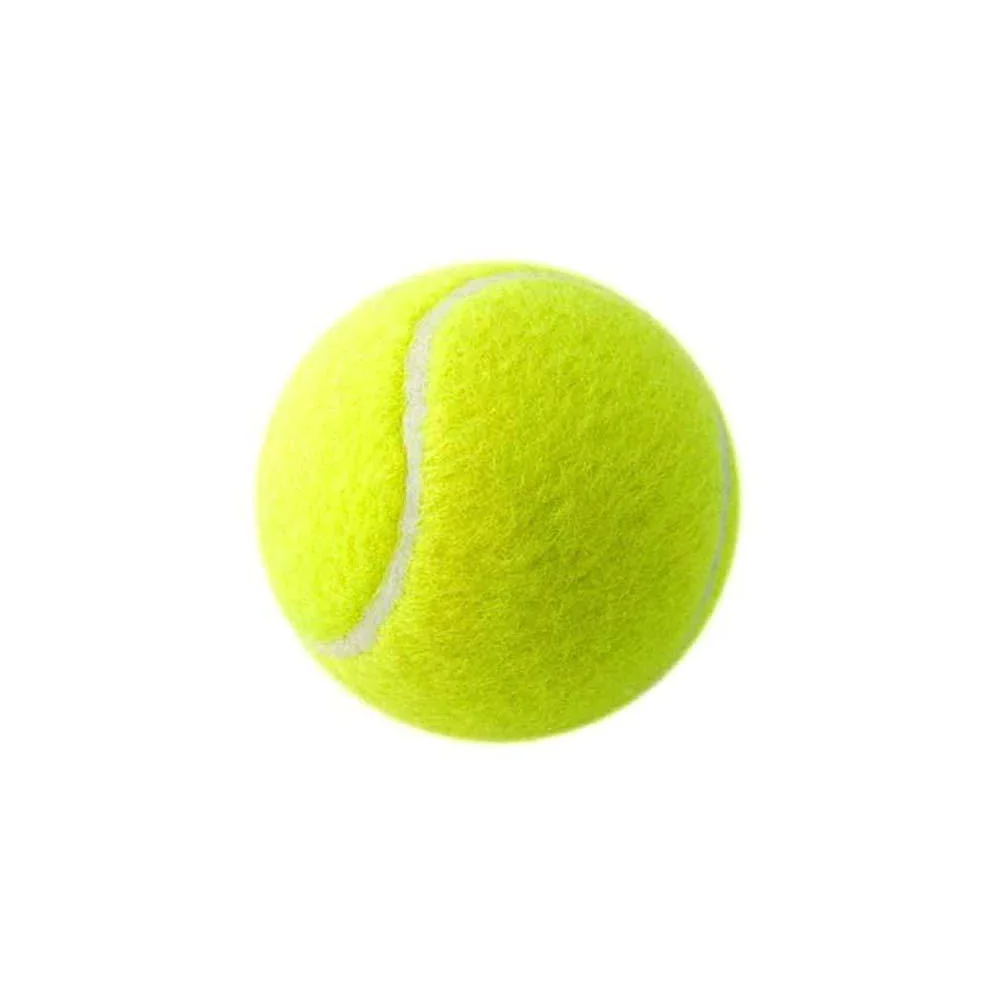
- The Setup: Stand just 2 to 3 meters away from the wall. Have a teammate stand directly behind you with a bucket of high-visibility, heavy training tennis balls.
- The Drill: You face the wall. Your teammate throws the balls hard against the wall from behind you. Because of the uneven surface, the balls will ricochet back at you at wild, unpredictable angles. Your job is to catch them cleanly with soft hands.
Whether you are gearing up for a traditional match or deciding between tape ball cricket vs heavy tennis ball in the streets, sharp hands are non-negotiable. Elevate your fielding sessions with our High-Visibility Tennis Balls for Cricket from Bolt & Bound.
Recommended products
Premium High-Bounce Tennis Ball – Durable Rubber Ball for Cricket & Training
Original price was: ₨ 450.₨ 349Current price is: ₨ 349.