The Evolution of Street Cricket
Across the streets and concrete pitches of South Asia, two distinct styles of informal cricket have evolved, each requiring vastly different bowling and batting techniques. The debate between playing tape ball cricket versus using a standard heavy tennis ball ultimately comes down to whether your local game favors the fast bowlers or the heavy-hitting batsmen.
Understanding the differences is critical, as tape manipulation completely changes the aerodynamics of reverse swing in informal cricket.
The Breakdown: Which Ball is Right for Your Match?
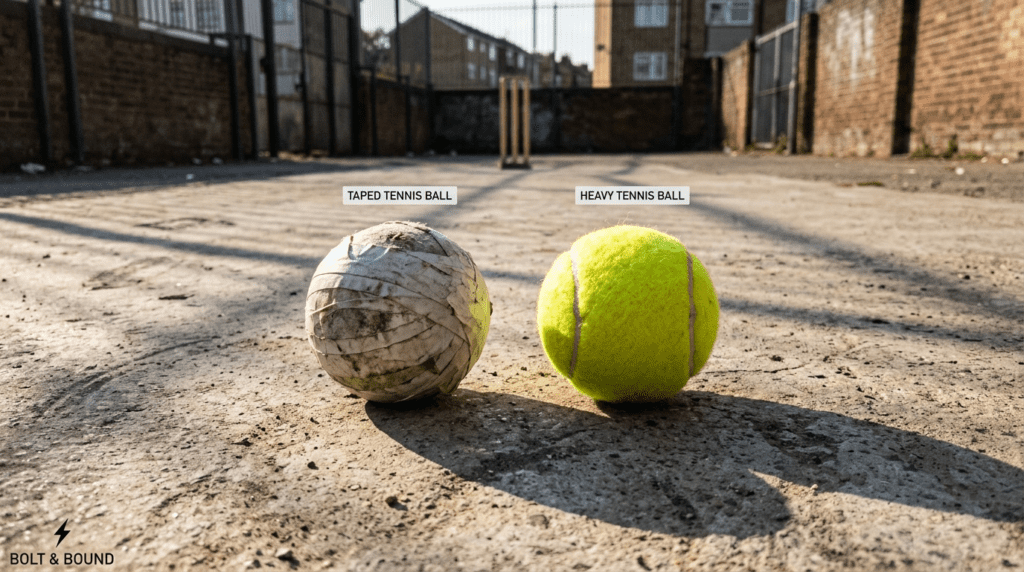
The Tape Ball (The Bowler’s Weapon) Wrapping a standard tennis ball in tight electrical tape compresses the rubber core and makes the ball incredibly smooth. This causes the ball to skid dangerously fast off concrete pitches. Bowlers can easily generate intense swing by leaving a “seam” of tape exposed, or by scuffing up one side of the tape to induce violent reverse swing. However, tape balls are notoriously hard to see at dusk and frequently lose their shape after heavy hits.
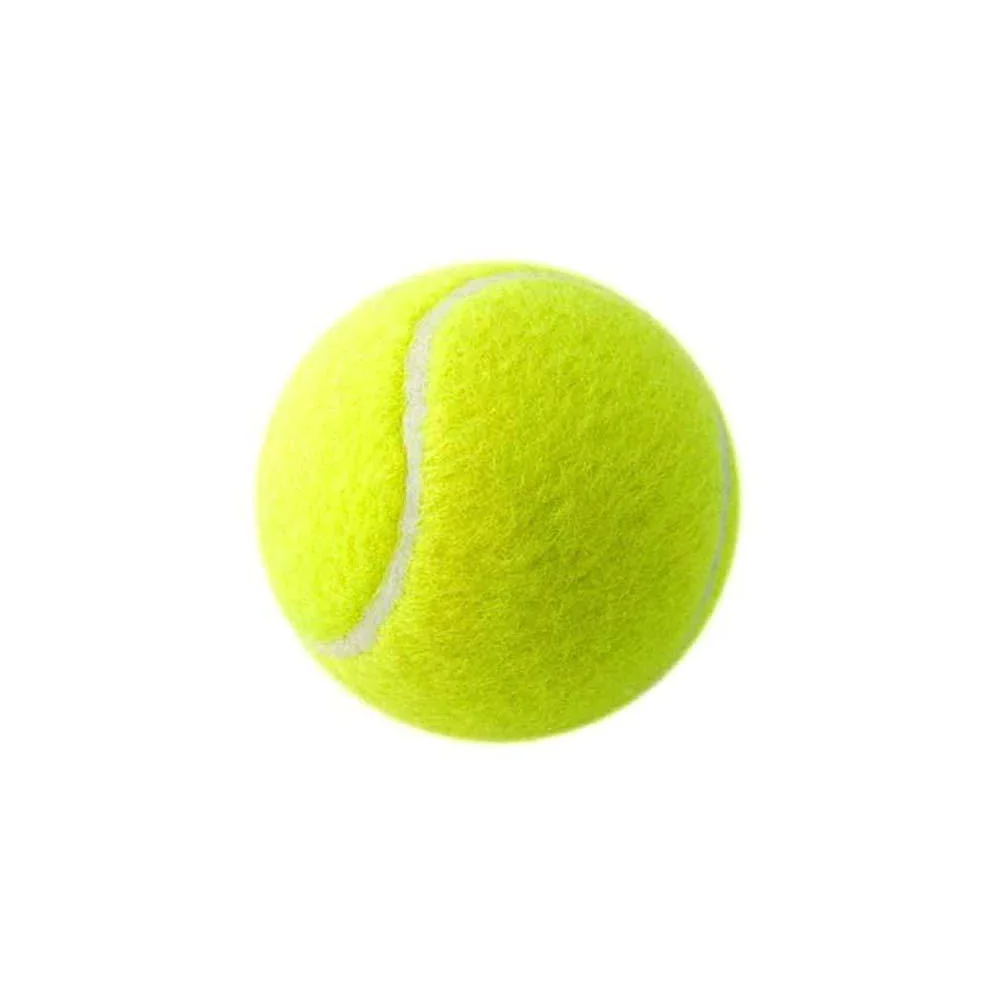
The Heavy Tennis Ball (The Batsman’s Game) A heavy tennis ball is manufactured with a thicker rubber core specifically for cricket, but retains its bright yellow fuzz. This fuzz creates drag in the air, meaning the ball will not swing as dramatically as a tape ball. However, it offers superior bounce consistency, unparalleled durability, and is much easier to track in the outfield.
If your squad prefers a fair contest between bat and ball with gear that lasts, utilize our heavy tennis ball cricket tips and stock up on our High-Visibility Tennis Balls for Cricket at Bolt & Bound.
Recommended products
Premium High-Bounce Tennis Ball – Durable Rubber Ball for Cricket & Training
Original price was: ₨ 450.₨ 349Current price is: ₨ 349.