Stop Squatting With a “Soft” Spine
There is nothing more terrifying than feeling your lower back start to round at the absolute bottom of a heavy squat. As a coach, I see lifters constantly blame weak legs for their missed PRs (personal records). But 9 times out of 10, their legs are plenty strong—it is their core that is leaking energy. If your midsection is soft, the force generated by your legs will never efficiently transfer to the barbell sitting on your back.
You must learn to turn your torso into an unbreakable cylinder. Scientific data measuring intra-abdominal pressure during resistance training proves that creating a rigid column of air in your stomach is the single most effective way to stabilize the spine under immense loads.
Step-by-Step: The 360-Degree Expansion
Most people think “bracing” means sucking their stomach in to show off their abs. This is the exact opposite of what you need to do to move serious weight safely.
- The Rooted Stance: Grip the floor with your toes. Imagine screwing your feet outward into the ground to fire up your hips.
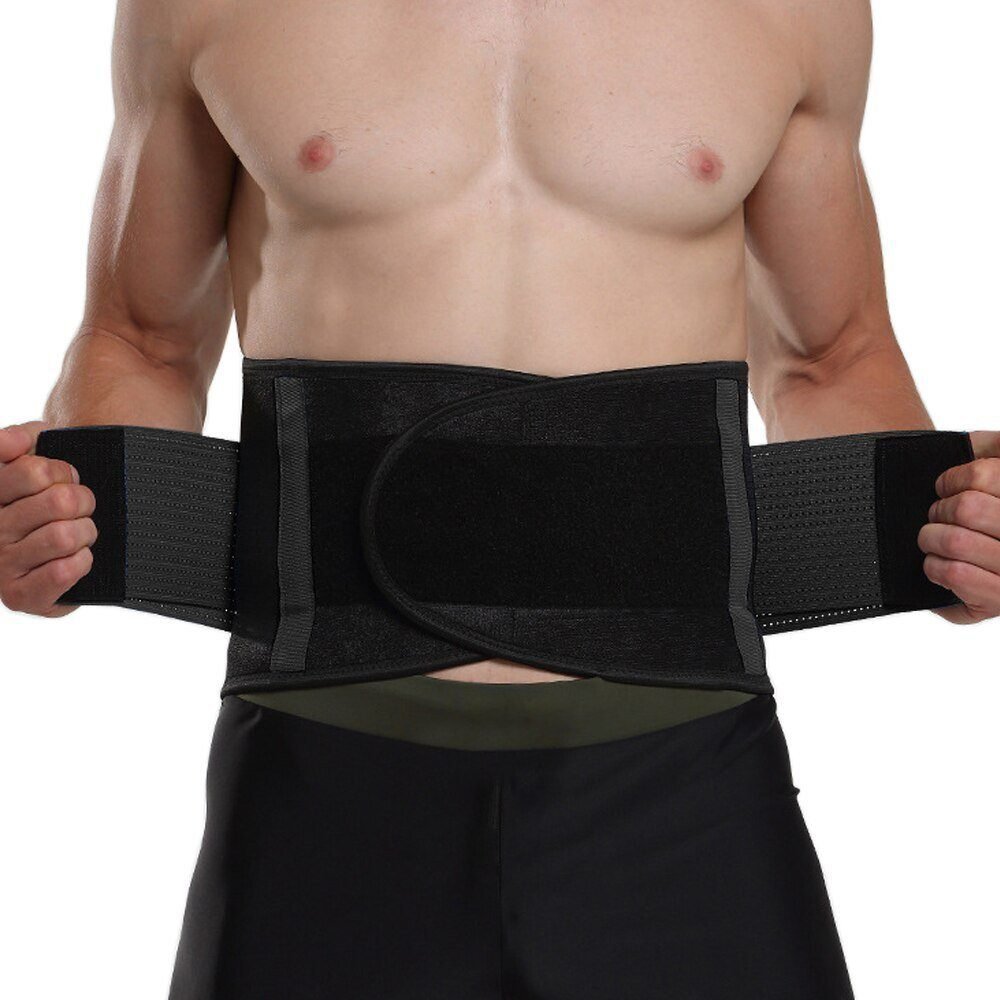
- The Belt Setup: Strap on your weightlifting belt, leaving just enough space to slide your hand flat between the belt and your belly.
- The 360-Degree Breath: Do not shrug your shoulders and breathe into your chest. Inhale deeply through your nose, driving the air down into your pelvis. You should feel your stomach, obliques, and lower back physically expand into the belt.
- The Lock: Clamp down on that air. Imagine bracing for a punch to the stomach. Hold this tension for the entire repetition.
If you have already mastered how to brace core for deadlifts, applying this exact same methodology to your squats will instantly add pounds to your total. Gear up for your next heavy leg day with our Premium Lumbar Support Weightlifting Belt, available now at Bolt & Bound.
Recommended products
Bolt & Bound Pro-Series Double Pull Lumbar Support Belt – Heavy Duty Lower Back Brace for Gym, Work & Pain Relief (M, L, XL, XXL)
Original price was: ₨ 3,700.₨ 2,549Current price is: ₨ 2,549.